
Pop-up shop fit-out in a Dubai mall: temporary builds and permits
A pop-up shop in a Dubai mall is a demountable retail build that trades for one to three months under a short-term licence agreement. Allow 10 to 20 working days for the mall NOC, two to three weeks of design and submission on a simple unit, and one to three nights for the physical install. Most tenants run that sequence in series. They wait for the mall to come back on drawings before touching the trade licence, lose three weeks, then try to buy the time back by cutting the install down to one night. The mall approval and the licence have different owners and different rules, and only one of them is a law.
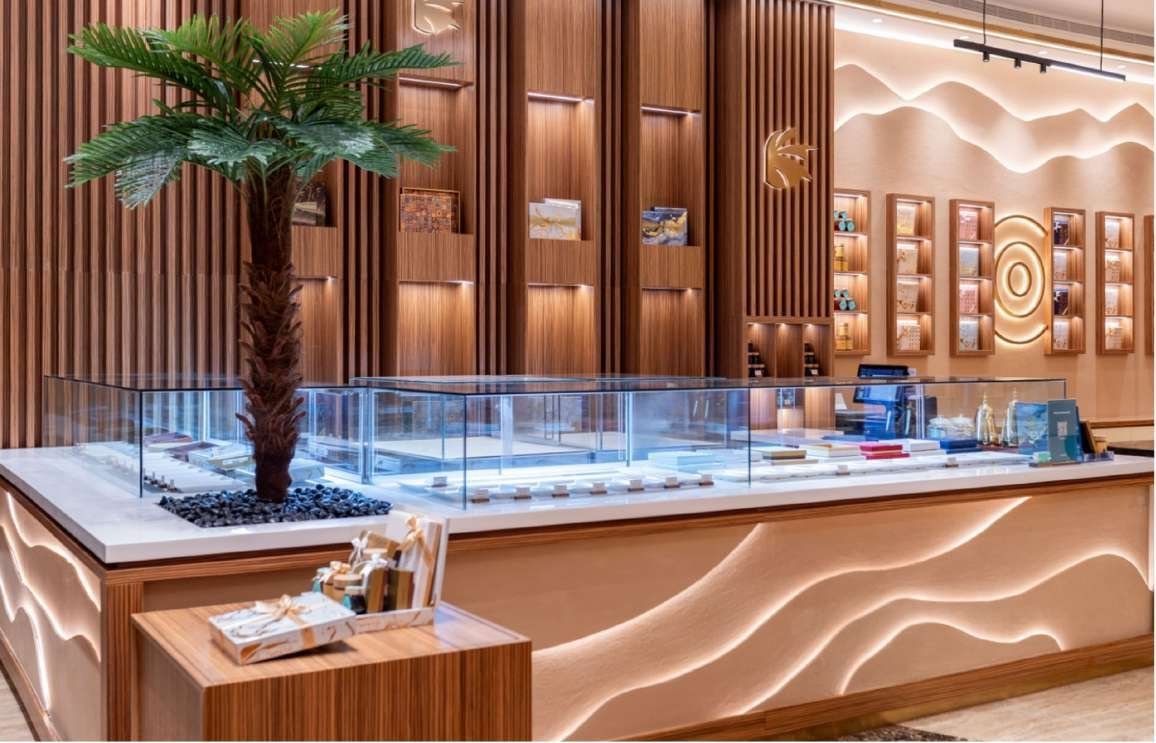
What counts as a pop-up shop in a Dubai mall, and for how long
Malls classify this by lease product, not by how the brand describes it. Specialty leasing teams at The Dubai Mall, Mall of the Emirates, Dubai Hills Mall, BurJuman, City Centre and Dubai Marina Mall run short-term licence agreements measured in weeks or months, and atrium positions at The Dubai Mall start from around AED 1,200 per day depending on the location and the season.
Three months is the practical ceiling. Past it, the landlord and the authorities start reading the build as a permanent unit, which pulls in deeper fire and accessibility review and stiffer reinstatement wording.
Seasonal and one-off formats also diverge on paper. A brand that returns every Ramadan or every back-to-school window wants a licence that stays alive between appearances. A single activation can sit on a shorter permit route. Confirm which one applies to your activity with the Department of Economy and Tourism before you commit to a date.
Instant Trade Licence or a standard trade licence
DET's Instant Trade Licence is issued online and does not need a tenancy contract for the first year, which is what makes it workable for a format with no permanent address. As of November 2026, reported fees run in the region of AED 5,000 to 18,000 against AED 12,000 to 25,000 for a standard trade licence. Fees move, so take the current figure from DET rather than from a blog, including ours.
The instant route does not cover everything. Activities that need an external approval, food among them, fall outside it. Your activity code also has to match what you actually sell at the counter. When the code on the licence and the product list on the mall submission disagree, you get stopped on the day you planned to open, with a finished build behind you.
Temporary retail space approval: the landlord track and the government track
The mall NOC is a contractual requirement from your landlord. No government department issues it, which is why the rules differ between operators and why the same drawing set can clear one mall and come back marked up at another. Emaar reviews a Dubai Mall submission against its own fit-out manual, and the review covers layout, elevations, the fire strategy, branding and graphics, electrical load, and whether your contractor is registered and insured with the mall. Ten to twenty working days is the normal window, and it restarts when drawings change. The wider landlord picture sits in our note on retail fit-out and mall landlord rules.
The DET licence is statutory, goes through an online portal, and runs in parallel. It does not wait for the mall and the mall does not wait for it.
Dubai Civil Defence enters when there is a temporary structure to assess, a material question to settle, or cooking and food on site. Not every pop-up triggers it. Where it does apply, the approval lands on the drawings before anything gets built.
Dubai Municipality sits further back than people expect. Interior fit-out inside a mall has been outside the DM building permit route since 2019, because the mall's own permit covers the shell, and the detail of that exemption is in our piece on the Dubai Municipality building permit for fit-out. Hoarding and demolition still get their own permits, so the exemption is narrower than the summary suggests.
Demountable structure requirements and the fire route
A demountable structure is bolted or clamped, panelised, and free of penetrations into the slab or the ceiling void. It does not tie into the mall's sprinkler or alarm system beyond an approved interface. The moment you specify fixed partitions, a permanent ceiling and dedicated MEP, you are building a retail unit and you inherit the permanent approval route with it.
Fire is where temporary builds actually fail review. The UAE Fire and Life Safety Code of Practice, chapter 2, is the document that applies, and the practical consequence is paperwork rather than design. Every exposed material needs a test report with a report number, a tested assembly and a date. A supplier calling a fabric fire-rated in an email is not a test report, and reviewers ask for the certificate on fabric, banner print, foam, timber and acrylic.
Height is capped so the structure does not block neighbouring tenant signage or interfere with sprinkler coverage above. A solid lid over the footprint changes the coverage question entirely. Detection and extinguishers inside an enclosed temporary structure come up project by project, depending on how enclosed it really is, and the answer belongs on the approved DCD drawings rather than in a rule of thumb.
Then there is the load allowance. The mall gives the position a fixed electrical capacity, and LED screens, a fridge and an espresso machine eat it quickly.
From concept to opening day
Two to three weeks of design and submission is realistic for a simple shell with graphics and light power. Four to eight weeks is honest where Civil Defence, food or a purpose-made structure is involved.
The order that works: licence agreement, then a measured survey of the actual spot, because atrium columns, floor boxes and travelator clearances are never where the leasing plan shows them. Drawings next, then the mall NOC, then DCD where it applies. Contractor registration, insurance certificates and worker passes run alongside. Loading bay slots and service lift dimensions get booked, not assumed.
During trading hours you get quiet work only. Cutting, drilling and assembly go to the night shift, and out-of-hours work needs a Dubai Police night work permit. Install itself is short: one to three nights for most pop-ups, two to three for a kiosk. The weeks live in the approvals, not in the build.
Mall pop-up installation cost in Dubai: what sits in each line
We do not publish a build figure for a pop-up, and any contractor who does is quoting a different project than yours. The same footprint moves by a multiple depending on whether the frame is rented modular or purpose-made joinery, whether graphics are printed banner or backlit, how much power you draw, and whether the structure is designed to be stored and used again.
What you can price before you sign is the landlord side and the statutory side. Monthly rent on a pop-up unit reportedly runs AED 45,000 to 120,000 and upward with mall and position. The security deposit is normally two to six months of rent, held against reinstatement. Licence fees are the DET bands above.
The lines that get left out of early budgets:
Ask for the quotation split into structure, graphics, MEP, approvals, install labour and dismantle. That split shows you which money disappears when the pop-up closes.
- Approvals administration, including resubmissions after the first mark-up.
- Mall charges for contractor passes, access, waste removal through the mall's own contractor, and out-of-hours supervision.
- Dismantle and reinstatement, which is a second mobilisation with its own permit and night slot.
- Power connection and temporary metering where the position is not already served.
Hoarding, stock storage and reinstatement after you close
Hoarding is a minimum of 2.4 metres high. The common specifications are PVC banner at 500 to 550 g/m² on a frame, mesh at 270 to 300 g/m² where air movement or partial visibility is wanted, and gypsum board on stud where the mall insists on a solid painted finish. Graphics on hoarding get reviewed like shopfront signage, because for the length of the works that is what it is.
Who pays is a lease clause, not a market rule. In the public corridor and at the unit entrance, the hoarding specification is usually the landlord's territory and often their contractor. Internal finishes behind it fall to the tenant. There is no universal split, so read the clause before you price the job.
Storage is the design problem nobody briefs. A pop-up has no back-of-house, so stock has to live inside the structure in under-counter drawers, plinth boxes or a lockable rear bay. Carrying cartons across the mall floor during trading hours is prohibited in most centres.
Reinstatement is always owed. You return the footprint to the condition recorded at handover, which means floor finish, any anchor points, wall surfaces and the removal of everything you brought in. The cost is measured against the actual scope and written into the agreement rather than taken from a price list, and the deposit is released after the mall inspects.
Pop-up or kiosk: which one your plan actually needs
A pop-up suits a season, a product test or a location test. Exposure is low, there is no permanent asset at the end, and you hand the floor back.
A kiosk suits a position you want all year. The build is heavier, the services are metered, the approvals go deeper, and the cost amortises over a multi-year agreement instead of landing on one quarter.
A brand that plans three appearances a year in the same mall sits in a third place: a demountable structure you own, store and redeploy, with fresh graphics each time. The approval file gets easier on the second run, because the material certificates are already in it.
What breaks the date
If you want the structure, the approvals and the night install priced as one package, send us the mall, the position and the trading dates through our estimate form.
- Uncertified material. Something was bought for how it looks, the test report arrives in a different name or for a different thickness, and the resubmission restarts the review clock.
- Electrical load undercounted. A screen and a fridge get added after the NOC, the load calculation no longer matches, and the approval reopens.
- A programme that reads 10 to 20 working days and plans for 10.
- A contractor who is not registered with the mall. Drawings cleared, nobody gets through the loading bay.
Questions this raises
How do I get an Instant Trade Licence for a pop-up shop in Dubai?
The application goes through the Department of Economy and Tourism online. The instant route does not require a tenancy contract for the first year, so a virtual office address is accepted at issue, and reported fees sit in the region of AED 5,000 to 18,000 against AED 12,000 to 25,000 for a standard trade licence. Activities needing an external approval, including food, fall outside the instant route. Confirm current fees and eligibility for your activity code with DET directly.
What fire rating requirements apply to temporary structures in Dubai malls?
The UAE Fire and Life Safety Code of Practice, chapter 2, is the reference for temporary structures. In practice the review turns on documentation: each exposed material needs a test report with a report number, a tested assembly and a date, covering fabric, printed banner, foam, timber and acrylic. Detection and extinguishers inside an enclosed structure are decided by Dubai Civil Defence on the specific project and should be confirmed on the approved drawings.
What approvals do I need from the mall owner and the government before opening?
The mall NOC from your landlord, typically 10 to 20 working days, and a DET trade licence, which runs in parallel rather than after. Dubai Civil Defence approval applies where there is a temporary structure, a material question or food. Interior fit-out inside a mall has been outside the Dubai Municipality building permit route since 2019, though hoarding and demolition permits are still pulled separately.
How much does a pop-up shop cost to set up in Dubai?
The landlord and statutory lines are the ones you can price early: atrium day rates from around AED 1,200, monthly pop-up unit rent reportedly AED 45,000 to 120,000 and above, a deposit of two to six months of rent, and the DET licence fee. We do not publish a build figure, because the same footprint swings by a multiple on frame type, graphics, power draw and whether the structure is reusable. Ask any contractor to split structure, graphics, MEP, approvals, install and dismantle so the figures are comparable.
How long does approval take from application to opening day?
Two to three weeks of design and submission for a simple build, four to eight weeks where Civil Defence, food or a purpose-made structure is in play. The mall NOC itself usually runs 10 to 20 working days and restarts if drawings change. Physical install is one to three nights.
Who pays for hoarding and reinstatement after a pop-up closes?
Hoarding in the public corridor and at the unit entrance is usually specified and often supplied by the landlord, with internal finishes falling to the tenant, but there is no universal split and the clause in your licence agreement decides it. Reinstatement is the tenant's obligation in every case. It is measured against the actual scope rather than a price list, and your deposit of two to six months of rent is held against it until the mall inspects.
Send the drawings, or just the address.
We measure, check the services and tell you what the authority will require.
Other notes
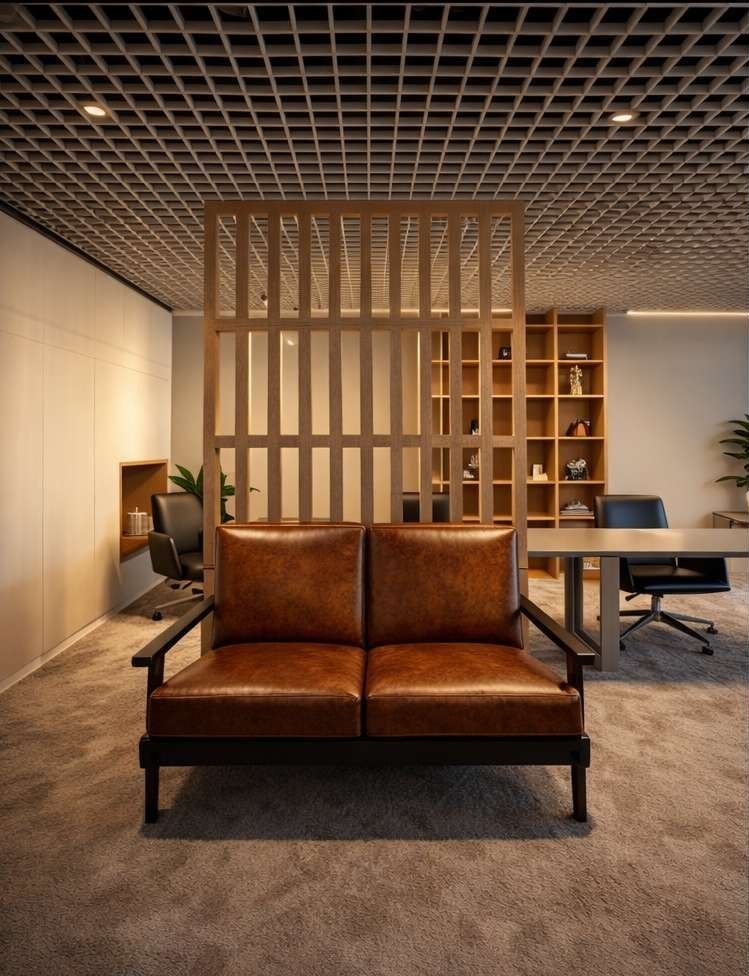
Office fitout design in Dubai: test fit to landlord sign-off
Office fitout design in Dubai step by step: brief and headcount, test fit, space plan, IFC drawings, landlord NOC and the authority route for each address.
9 November 2026 · 10 min read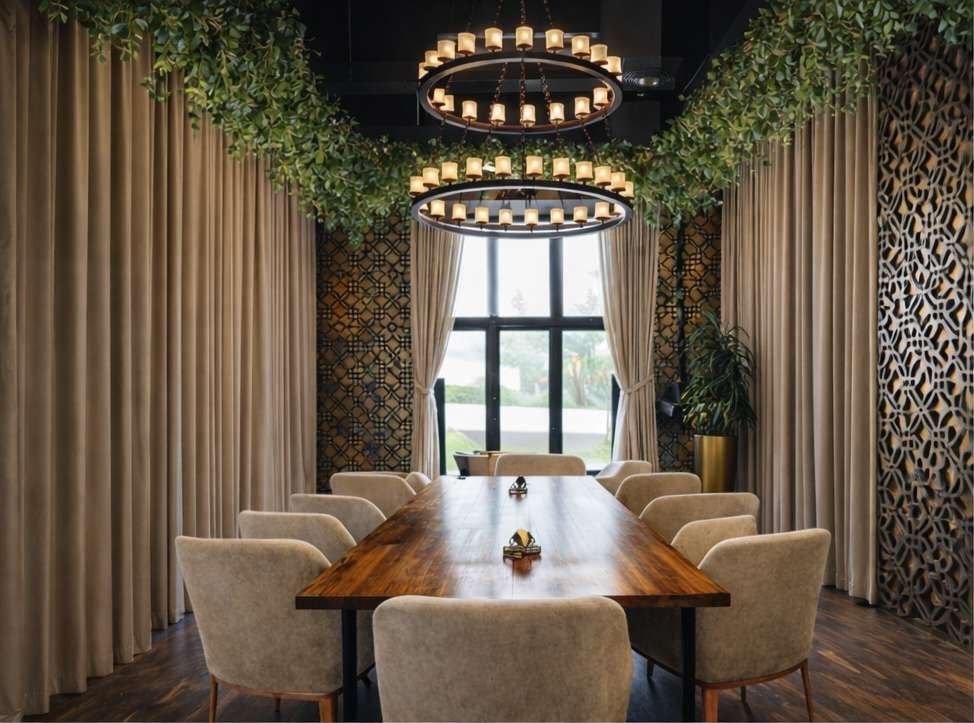
Food kiosk in a Dubai mall: water, drainage and extraction
What a food kiosk in a Dubai mall needs for water, drainage, grease traps and extraction, what Food Control asks of the layout, and why the menu decides it.
7 November 2026 · 11 min readMall kiosk design in Dubai: layout, storage and lighting on a few square metres
Mall kiosk design in Dubai, from a contractor: layout for till and stock inside 6 to 15 square metres, storage with no back room, and lighting for a mall floor.
5 November 2026 · 9 min read