
Mall kiosk rental in Dubai: lease clauses that shape the build
A mall kiosk lease in Dubai gets signed before anyone draws the kiosk, and 7 clauses in it decide what can be built: the demise line, the fit-out period, the Letter of Authority, the deposit, reinstatement, signage rights and permitted working hours. We arrive after signature, when the lease has already set the budget. Leasing is not our side of the table. We do not quote rents, we do not act for tenants in a negotiation, and a mall leasing manager will not discuss money with a contractor anyway. What we do see several times a year is the same situation: a signed lease, an opening date already promised to the mall, and a tenant who read the rent figure and skimmed everything under it.
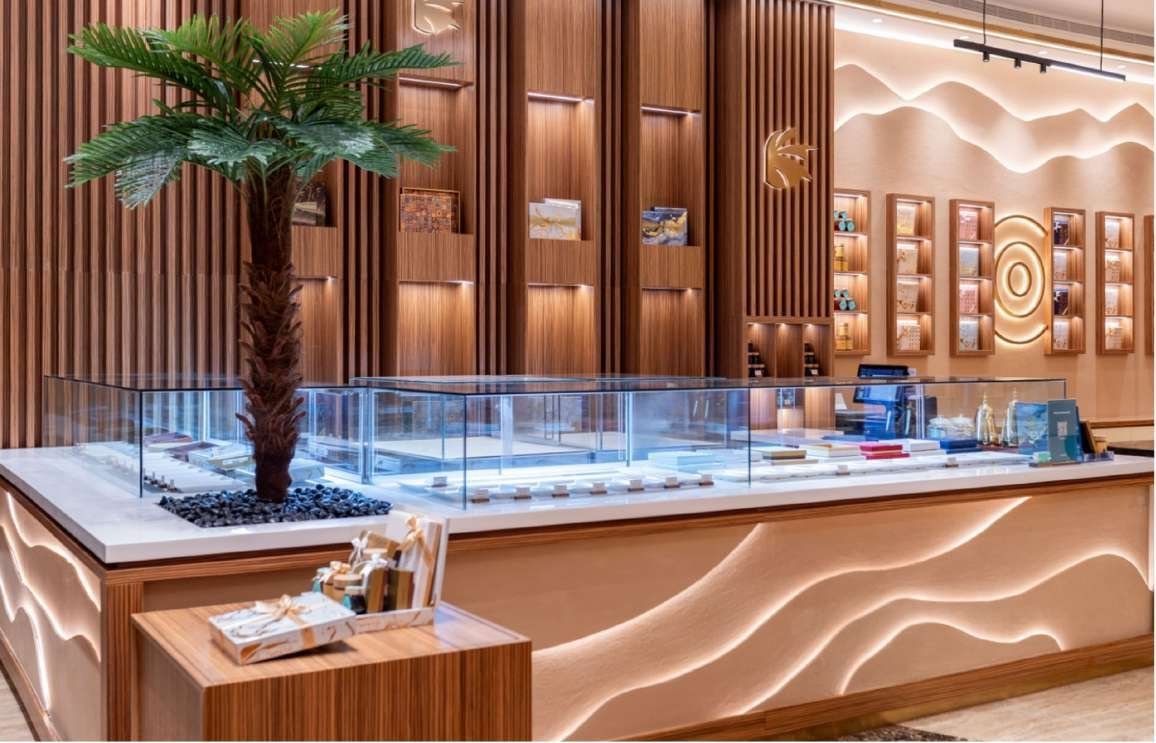
What you are actually renting: the demise line
The demise line is the boundary of your leased area on the mall's plan. Inside it you build and maintain. Outside it you touch nothing without written permission.
For a kiosk that line is tighter than tenants expect. It is usually the footprint of the base and nothing above it, with a height limit written separately in the lease or in the mall's design criteria. Everything around the unit belongs to the mall: the floor finish, the lighting track overhead, the sprinkler layout, the ceiling. Any change to those becomes a separate request with its own approval and its own price.
Pin these down in writing before signature:
That services line decides whether your concept is buildable in that spot. Dry retail needs power and data. Anything with a sink, a coffee machine or an ice maker needs supply and waste, and in a mall concourse the waste runs below the slab. If it is not already stubbed to your position, you are asking for core drilling through a structural slab, which brings in the mall's structural consultant and a different budget from the one you priced off a render.
- The exact area and dimensions of the demised footprint, on a dimensioned plan attached to the lease rather than a marketing render.
- The maximum height, including signage and any crown element. Malls set this to protect sightlines down the concourse, and the figure is often lower than the kiosk a designer has already drawn.
- The services the mall brings to the boundary and their stated capacity: an electrical point with a load in kW, data, and whether water supply and drainage exist at all.
- Whether penetrating the floor under the unit is allowed.
The fit-out period: when does paid rent start?
The fit-out period is the window you get to build before rent runs. Legal commentary on Dubai commercial leases puts it at 1 to 3 months, depending on scope of work, lease term and market conditions. Kiosks usually sit at the short end, because from the leasing side a kiosk is a small build. As of 2026 the length still varies by mall operator, so the figure in your own lease is the only one that counts.
Where it starts. A period counted from the lease date and a period counted from handover of the unit are different animals. Handover can land weeks after signature, because the mall has its own works to finish, or the previous tenant has to strip out and hand back first. If the clock started at signature, you have paid for weeks you could not use.
What it covers. The same commentary notes that a rent-free fit-out period should state whether service charges are waived as well, and that the concession belongs in the contract rather than in a conversation. Service charge on a kiosk position in a prime mall is not small money, and it keeps running while you build unless the lease says otherwise.
Length, start point and any landlord contribution are all commercial terms before signature, and we have written separately on what to ask a landlord for and how it is usually structured. After signature there is nothing left to negotiate, only time to recover.
Letter of Authority: who lets the contractor on site?
A Letter of Authority is the document in which you, the tenant, name a contractor as the party authorised to act for you on that unit. It is short, it goes on your letterhead, and almost nothing moves without it.
The mall needs it before it will issue site passes or accept drawings from us. Authorities and utilities want it before they process a submission filed by anyone other than the named tenant. If your trade licence is still in progress, or the licence name does not match the name on the lease, the LOA stalls, and everything behind it stalls with it.
Separate from your LOA, the mall issues its own fit-out permit or NOC. That is the mall giving the contractor permission to start, and it comes after a stack of items has been cleared:
Check one more thing in your own lease: whether the mall will accept a contractor it has not worked with before without a prior registration round.
- Drawings approved by the mall against its fit-out manual.
- Contractor registered with mall operations, with trade licence and insurance certificates on file.
- Fit-out deposit paid to the mall, which is not the same money as the leasing deposit.
- Security passes issued for every worker, with the access route and delivery times fixed.
- Hot works permits and night working windows agreed in advance, day by day.
Deposit and reinstatement: what is the money for?
The leasing deposit sits with the landlord against rent and the condition of the unit. The fit-out deposit sits with mall operations against damage to common areas during the build: a scratched floor in the service corridor, a dented lift door, rubbish left in the back of house.
Under Dubai law the landlord may require a security deposit and has to return it at expiry, but no percentage and no return deadline are fixed in law, and commercial deposits run higher than residential ones precisely because of reinstatement risk. The practical protection is a condition report at handover, photographed and signed by both sides. We do that on every unit we take over, and it settles more arguments at the end of a lease than any clause.
Reinstatement is the obligation to put the unit back the way you found it. For a kiosk that means the whole structure out, services capped at the boundary, any slab penetration filled and the mall floor finish patched to match. The same legal note describes reinstatement of a fully fitted retail or office space as a cost that can run into hundreds of thousands of dirhams, and says a tenant in a strong position can ask for a release, or for the obligation to bite only if the landlord gives written notice before expiry.
Guides to Dubai commercial leasing also note that shopfronts, partitioning, specialist flooring, cold rooms and mezzanines are typically improvements that cannot be removed at the end of the term. In kiosk terms, part of what you pay to install stays with the mall, and the rest you pay to demolish.
Which approvals depend on the mall, and which on you
Approval runs through the mall first and the authority second, and the order rarely changes.
The mall controls design approval against its fit-out manual, contractor registration, site access and working hours, goods lift and loading bay slots, hot works, and the operational sign-off before you trade. Mall rules are a subject on their own, and the ones that actually bite are set out in our piece on the landlord rules behind a mall retail fit-out.
You, through your contractor, carry the authority side. Which authority depends on where the mall sits: Dubai Municipality for mainland locations, DDA for TECOM and Dubai Design District addresses, Trakhees for Palm Jumeirah and the Jebel Ali area. Dubai Civil Defence comes in where fire detection, suppression or evacuation is touched. Food Control registration and the pre-opening inspection apply to anything handling food, and hang off your trade licence rather than off the kiosk.
The sequence is the part tenants miss. The mall stamps the drawings first, and the authority submission goes in after that. A submission without the mall's approval comes back, and the return trip costs a week you had given to building.
From signature to site access: how long does it take?
We do not publish a week count for this, because the timing depends on handover of the unit, the mall's review rounds and the authority's processing, and none of that is yours to set. What we can tell you is where the time goes, in order.
1. Lease signed, deposits and the first payment cleared.
2. Unit handed over, with a dated condition record and the current fit-out manual issued to you.
3. Design produced against that manual and signed off by you.
4. Mall review, comments, resubmission. More than one round is normal.
5. LOA issued, contractor registered, insurances lodged, fit-out deposit paid, passes applied for.
6. Authority submission on mall-stamped drawings.
7. Site access, build, mall operations snag, authority inspection, clearance to trade.
Steps three to six happen with an empty kiosk position and nobody on site. On a fit-out window of 1 to 3 months, that paperwork takes the front half while your rent clock may already be running. When a tenant tells us the build looks slow, the honest answer is usually that the build has not started and cannot.
At Saudi Dates Centre in Dubai Hills Mall we worked to night windows set by the mall's manual, and the programme was built around access permits rather than around the joinery. The joinery was never the long pole.
The clauses that stall a kiosk build
From site, these are the lines that reliably cost money:
Our boundary is simple. We do not lease, broker or advise on rents. We price and build the kiosk, take the drawings through the mall and the relevant authority, and hand over a unit that can open. What the build itself costs, and what the mall's specification does to that number, sits in our guide to mall kiosk fit-out in Dubai.
If you have a draft lease in front of you, send it with the fit-out manual before you sign. Reading those two documents together takes an hour and has saved tenants months. Call +971 56 508 0888, or start from our retail fit-out page; if the kiosk is already signed and the clock is running, go straight to an estimate.
- A fit-out period counted from the lease date rather than from handover of the unit.
- Design approval subject to landlord discretion with no review period stated. Nothing stops a mall taking 3 weeks over one round.
- Works permitted only outside mall trading hours, with the hours left undefined. On a concourse that can mean a 4 or 5 hour shift per night.
- No penetration of the slab, in a lease signed for a food or beverage concept that needs drainage.
- Services described as available in the vicinity instead of at the demise line. The distance between those two phrases is a trench and an approval.
- Insurance limits the contractor's policy has to match, named in the lease and checked by the mall before access.
- Reinstatement with no notice mechanism and no agreed scope.
- An opening date tied to the mall's campaign calendar, which hands your build period to somebody else's marketing plan.
Questions this raises
What is the fit-out period for a mall kiosk in Dubai and is it rent-free?
It is the window the landlord gives you to build before trading starts. Legal commentary on Dubai commercial leases puts the typical range at 1 to 3 months, depending on scope, lease term and market conditions, and kiosks usually get the shorter end. Rent-free is a negotiated concession, not an automatic default, and it has to be written into the lease, with the start point tied to handover of the unit.
Do service charges apply during the fit-out period?
Usually yes, unless the lease says otherwise. A rent-free period waives rent, and service charge is a separate line in the same contract. Dubai lease guidance is explicit that the clause should state whether service charges are waived during the fit-out window, so if the lease is silent, budget for them.
What is a Letter of Authority and why does the contractor need it?
It is a letter from you as tenant naming your contractor as the party authorised to act for you on that unit. The mall asks for it before issuing site passes or accepting drawings, and authorities and utilities want it before processing a submission filed by anyone other than the tenant. Without it the contractor has no standing on the unit.
How long from signing the lease to starting work on site?
That depends on when the unit is handed over, how many review rounds the mall takes, and how long the authority holds the submission, none of it within your control. Design, approval, contractor registration and permits all run with nobody on site. Count your build programme from the day access is granted.
What security deposit is required and when is it returned?
Dubai law allows the landlord to require a deposit and requires it back at expiry, but fixes no percentage and no deadline, so the figure comes from the lease and the mall's own policy. Commercial deposits run higher than residential ones because of reinstatement risk. Malls commonly hold a second fit-out deposit against damage to common areas, released once the unit is handed back and their snag list is closed.
What is reinstatement and who pays for it?
Reinstatement is stripping out what you installed and returning the unit to the condition you received it in, and the tenant pays. On a kiosk it covers the structure, capping services at the boundary, filling any slab penetration and patching the mall floor finish. Legal commentary notes that reinstatement of a fully fitted retail or office unit can reach hundreds of thousands of dirhams.
Can the fit-out period be negotiated?
Before signature, yes. Length, start point, service charge treatment and any landlord contribution are commercial terms, and leasing teams expect to be asked about them. After signature the only lever left is programme: ordering long-lead items early and submitting to the mall and the authority in the right order, so no round is wasted.
Send the drawings, or just the address.
We measure, check the services and tell you what the authority will require.
Other notes
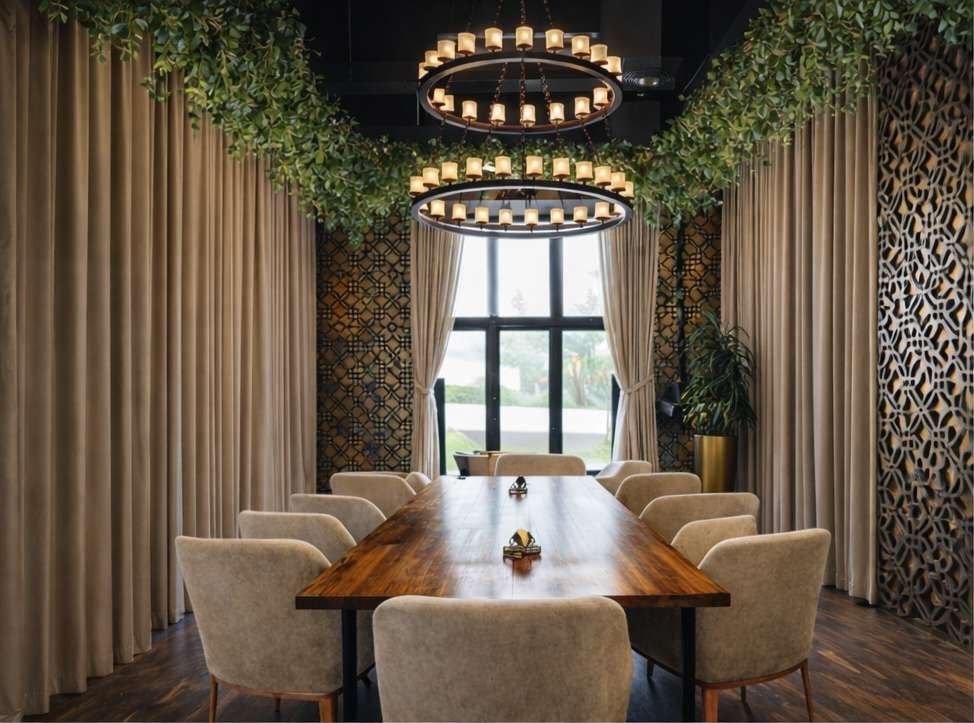
Commercial fit-out in Dubai: office, retail, F&B and clinic
Office, retail, F&B and clinic fit-out in Dubai compared by a contractor: MEP, approvals, timelines, landlord rules, handover, and where each job slips.
1 November 2026 · 9 min read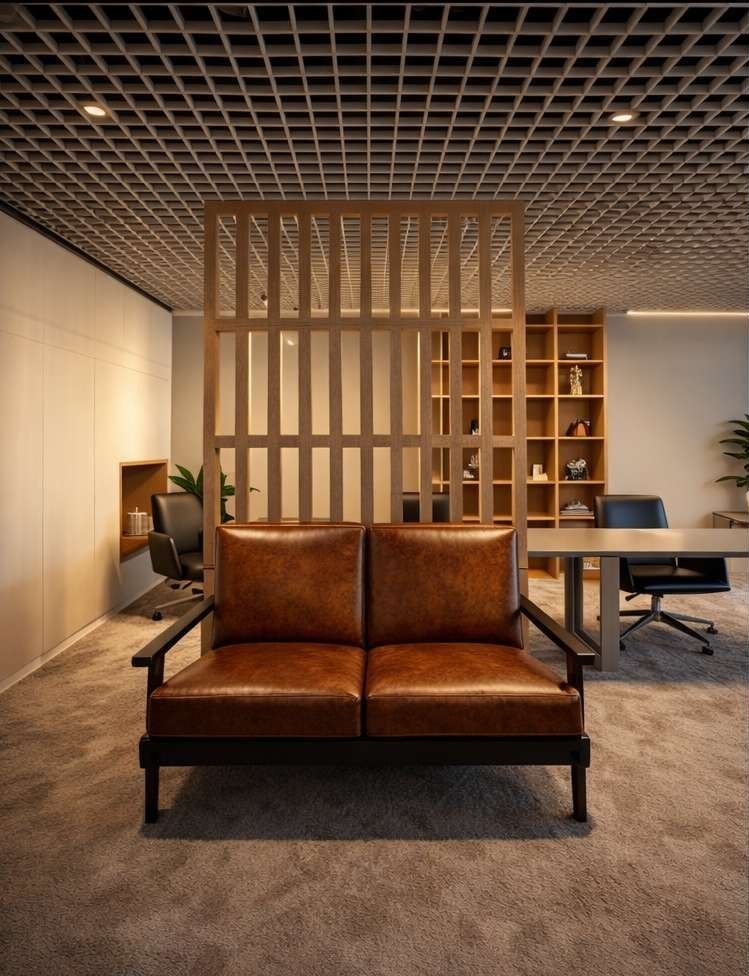
Modern office fitout in Dubai: the zones hybrid teams actually use
Which zones in a Dubai office fitout stay busy, which sit empty, and how hybrid zoning changes area per seat, MEP load, acoustics and the budget split.
29 October 2026 · 13 min readServer room in a Dubai office fit-out: cooling and approvals
How a server room is built inside a Dubai office fit-out: precision cooling, heat load, clean agent suppression, dedicated power and who approves what.
27 October 2026 · 15 min read