The Mall Fit-Out Manual: What Dubai Tenants Get Wrong
A shop in a Dubai mall is not built the way a street shop is built. The centre issues a fit-out manual that governs everything from the depth of your signage to the hour you may switch on a drill — and tenants routinely read it after the designer has finished.
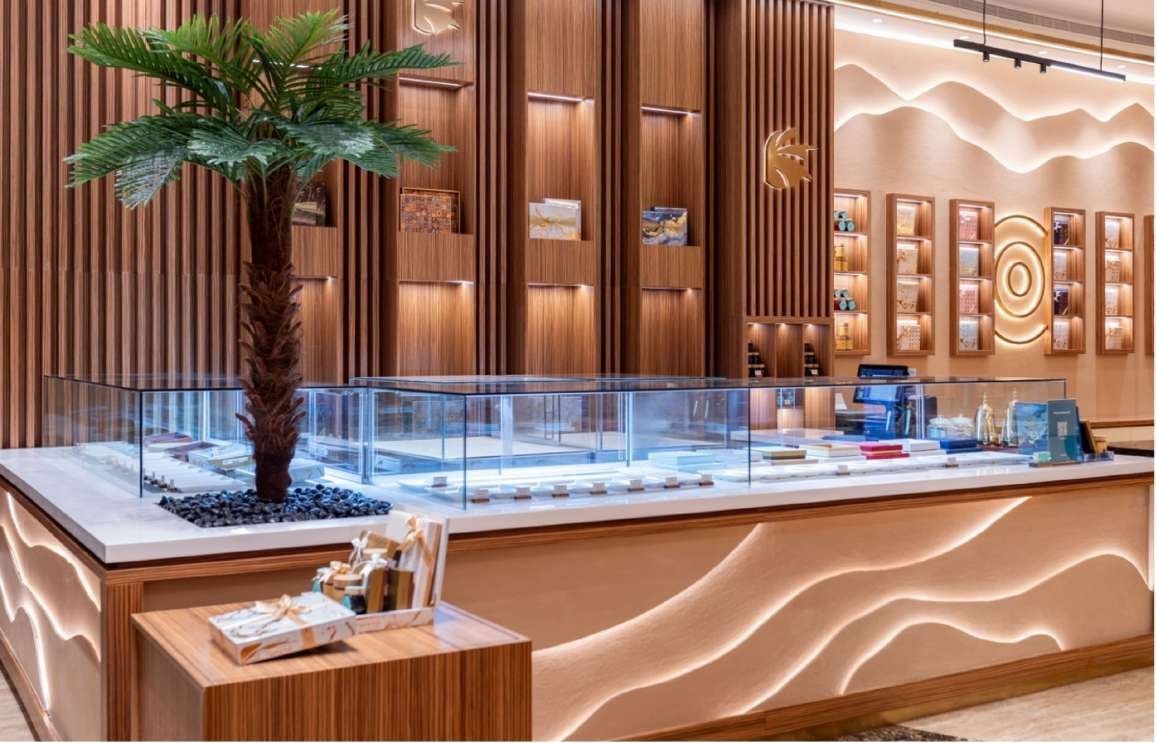
The manual is a contract, not a guideline
Emaar, Majid Al Futtaim, Nakheel — every operator issues one, and it is attached to your lease. It is not advisory. Breach it and you are looking at a stop-work notice, a withheld deposit, or a shopfront you have to rebuild.
Ask for it before you brief a designer. It costs nothing, it takes an afternoon to read, and it will answer half the questions your designer is about to ask you.
The clauses that rewrite your drawings
- Shopfront line and setback. How far your façade may project, where the closure line sits, what happens at the bulkhead. This is a design decision the mall has already made for you.
- Signage. Permitted depth, illumination type, mounting method, and whether anything may sit above the fascia line.
- Ceiling and access. Malls generally require access to base-build services above your ceiling. That dictates access panels, and sometimes the ceiling type itself.
- Finishes at the boundary. Floor transitions to the mall finish, the detail at the neighbouring tenancy, and what happens behind the display windows.
- Fire and life safety. How your unit integrates with the centre's detection, sprinklers and emergency lighting — never a standalone system.
- Barricade and hoarding. Design, graphics and installation are usually to the mall's own standard, at your cost.
Night work is not a detail, it is the programme
Most malls will not allow noisy work, cutting, welding or material movement while the centre is trading. The working day begins when the shutters come down and ends before the cleaners arrive.
That single constraint reshapes everything. Prefabricate off site wherever possible, so each night's shift is installing rather than manufacturing. Stage material in advance and book the service lift for the exact night it is needed. Keep a crew that can actually work a night shift — and price it that way, because an hour lost to a late delivery is not an hour you can buy back the next morning.
The deposit comes back only if the last week is planned
Fit-out deposits are refunded against snagging, cleanliness, waste removal and handover documentation — as-builts, test certificates, warranties, and the mall's own sign-off forms.
Three of those four are paperwork, and paperwork is what gets forgotten by a contractor who is already mobilising on the next site. Plan the last week of the programme as a real week with real activities in it, and the deposit is a formality. Improvise it and the deposit becomes a negotiation.
Fixed opening dates change the arithmetic
Mall leases usually tie the opening date to the lease rather than to the contractor's goodwill. Slipping is not embarrassing, it is contractual — and often financial.
That means the date is the first line of the programme, not the last. Where the date cannot be held with the drawings as they stand, the honest conversation happens before signing: what would have to change, or what it costs in additional labour on additional nights to hold it anyway.
Our own 165 m² unit at Dubai Hills Mall ran twelve weeks in night windows against a fixed lease date, with joinery prefabricated off site and staged so that each shift installed rather than built. That is what holding a mall date looks like in practice.
A short checklist before you brief a designer
- Get the fit-out manual and the base-build drawings for your unit.
- Confirm the services you inherit: electrical capacity, drainage position, air conditioning provision, whether extraction is possible at all.
- Confirm permitted working hours and the delivery and lift booking process.
- Confirm the deposit amount and, more importantly, the conditions for its release.
- Confirm signage limits before the brand designs a sign.
Five answers, most of them in one document. They are the difference between a design that gets approved and a design that gets redrawn.
Questions this raises
The mall sent us a manual we do not understand. Can you read it?
Yes. Reading it is part of pricing the job, not an extra service. It usually answers half the questions a tenant is about to put to their designer.
Can you work only at night?
Yes, and in most centres it is the only option. It changes the labour plan and the price, and we say so up front rather than discovering it in week two.
Will we get the fit-out deposit back?
That depends on snagging, cleaning, waste removal and handover documents. All four belong in the programme as planned activities in the final week.
Send the drawings, or just the address.
We measure, check the services and tell you what the authority will require.
Other notes
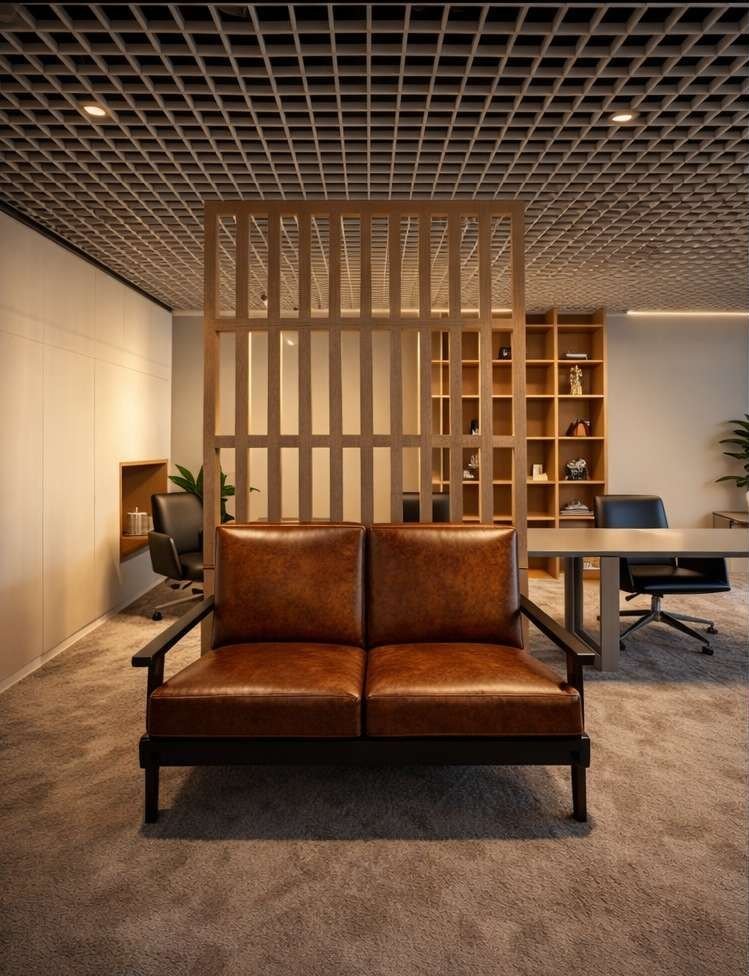
Clinic fit-out in Dubai: DHA approval step by step
Clinic fit-out in Dubai: which authority checks what, DHA vs DHCC, room-by-room layout rules, FANR shielding, and the inspection clinics skip.
3 September 2026 · 11 min read
Fitout companies in Dubai: how the market actually splits
How Dubai's fitout companies split by market segment, what a commercial fit-out budget contains line by line, and which approvals set your opening date.
2 September 2026 · 10 min read
Fit-out contractor vs design-and-build in Dubai: who does what
Who designs, who signs the authority submission and who pays when the drawing does not fit on site. The two Dubai fit-out models compared.
2 September 2026 · 7 min read