
Home · Blog · Buying a fit-out
What a Fit-Out Quotation Should Contain Before You Sign
Three quotations arrive. One is noticeably cheaper. Nine times out of ten the cheap one is not cheaper — it is shorter. Here is how to read a Dubai fit-out quotation so that the number you sign is close to the number you pay.
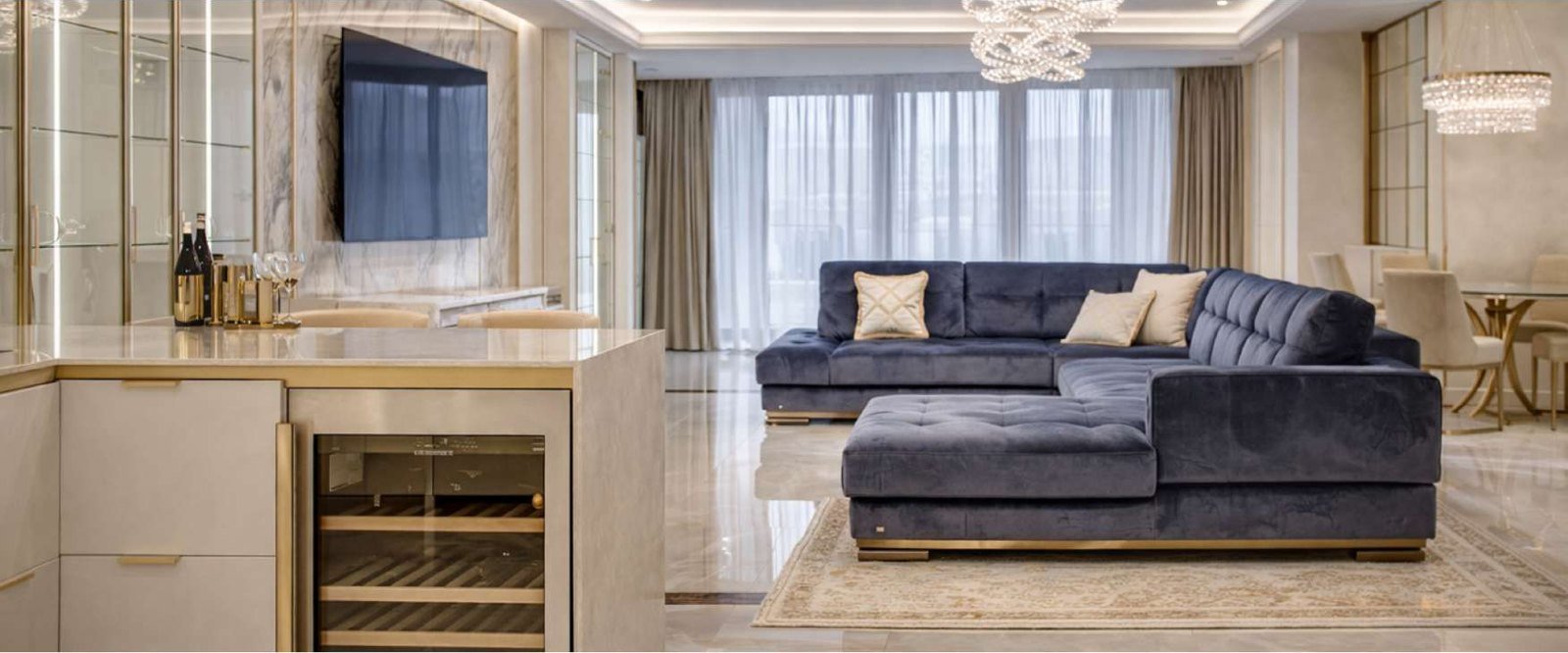
The cheapest bid is usually the least complete one
Fit-out quotations are not comparable by their totals. Two contractors pricing the same drawings will produce different numbers mostly because they have included different things — and the one who excluded more looks better on the first page.
The fair comparison is line by line, and it starts by asking every bidder to price the same scope. If one has left out the authority submissions, another has excluded making good after strip-out, and a third has priced provisional sums for the joinery, you are not comparing prices. You are comparing paperwork.
What must be in the document
- A scope of works, written as activities rather than as a materials list.
- Preliminaries — site management, protection, access equipment, waste removal, insurances. If preliminaries are missing, they will arrive later as variations.
- Approvals and submissions, named: landlord application, authority submission, Civil Defence where the fire strategy changes.
- Demolition and making good, if you are stripping out an existing fit-out.
- MEP broken down — HVAC modification, power, lighting, data containment, fire systems — not one line reading 'MEP works'.
- A finishes schedule that names products, or a clearly stated allowance per area if the selection is not made.
- Joinery itemised by element, with a stated basis: carcass material, finish, ironmongery.
- Testing, commissioning and handover documentation — as-builts, certificates, warranties.
- A programme, dated, with the critical path visible.
- Payment stages tied to progress on site, and the retention held to the end of the defects period.
The exclusions page is the important page
Read it before the price. Exclusions are where the real scope is decided, and the common ones are worth knowing by heart: authority fees, landlord deposits, furniture, IT and AV equipment, specialist kitchen equipment, artwork, anything described as 'client-supplied', and — the expensive one — 'works arising from existing conditions not visible at survey'.
That last exclusion is legitimate in principle: no contractor can price behind a wall he has not opened. It becomes a problem when the survey was cursory. A contractor who spent an hour on site will hide behind that clause. One who opened the ceiling and checked the services will not need to.
Provisional sums and allowances
A provisional sum is a placeholder for work not yet defined. An allowance is a budget for a choice not yet made. Both are honest tools, and both are also the easiest way to make a quotation look competitive.
The test is proportion. One or two provisional sums on a fit-out is normal. A quotation where a fifth of the value sits in placeholders is not a price, it is an opening position. Ask what each one is based on and what happens to it when the item is defined.
Questions that expose a thin bid
- Which authority governs this unit, and have you submitted there before?
- What did you find at survey that is not on the drawings?
- Which items are long-lead, and what are their lead times?
- What are the building's permitted working hours, and is the programme built around them?
- What is excluded that a client in my position usually assumes is included?
- Who holds the Civil Defence delegate registration for this submission?
The last question is the one contractors least expect. It is also the one whose answer tells you most about whether the approval queue will be run or merely watched.
What a good quotation feels like
It is longer than you wanted, it says no in several places, and it tells you at least one thing you did not want to hear — usually about the date, or about something found at survey.
A quotation that agrees with everything and prices it cheaply is not enthusiasm. It is a document written to be signed, not to be built from.
Questions this raises
Should we ask for a fixed price or a cost-plus contract?
For a defined fit-out with complete drawings, fixed price. Cost-plus makes sense only where the scope genuinely cannot be defined yet — and then it needs an agreed fee, open books and a cap.
How much should we hold as retention?
Retention is negotiated, not fixed by law, and it is held to the end of the defects period agreed in your contract. What matters more than the percentage is that the release condition is written down: what has to be delivered before it is paid.
Is a design-and-build contract more expensive?
Not usually, and often less. Splitting design from construction adds a coordination gap that someone pays for — normally the client, in variations and in time.
Send the drawings, or just the address.
We measure, check the services and tell you what the authority will require.
Other notes
Pharmacy fit-out in Dubai: DHA licensing and what the unit needs
What DHA requires from a pharmacy fit-out in Dubai: minimum area, ceiling height, cold chain design, controlled drug cabinets and the final inspection loop.
7 October 2026 · 13 min read
Office renovation in Dubai: rebuilding around a working team
How an office renovation in Dubai runs while staff keep working: zoning, night windows, dust control, partial MEP and the reinstatement clause.
5 October 2026 · 10 min readOffice fit-out timeline in Dubai: stages and hidden delays
The real Dubai office fit-out timeline, stage by stage: survey, approvals, procurement, construction and handover, plus where projects lose real weeks.
4 October 2026 · 12 min read