
How Long an Office Fit-Out Takes in Dubai
Every tenant asks how long it takes. Most contractors answer with a number that sounds good on the phone. The useful answer is different: here is what sets the duration, which of those things you control, and what the same question looked like on projects we actually handed over.
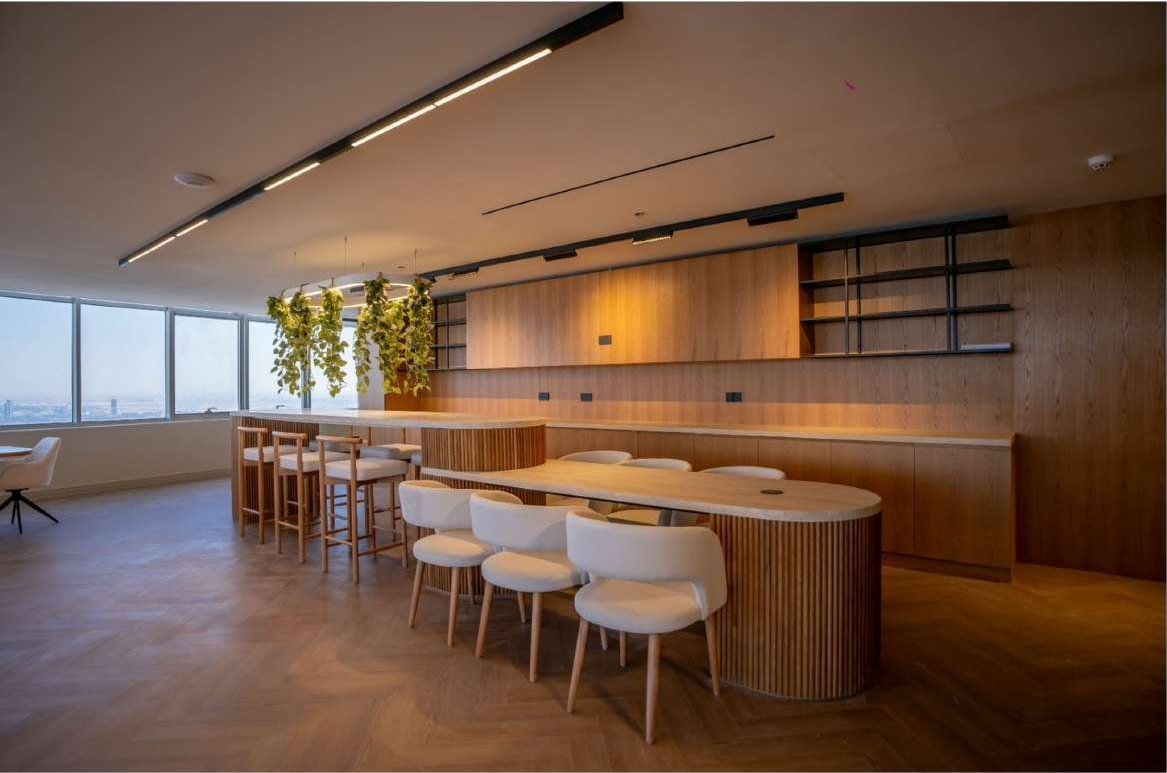
Three things set the date, and only one of them is building
Approvals, long-lead procurement and the ceiling. That is the whole programme in three words. Partitions go up quickly, paint dries on schedule, and carpet is laid in a day. None of those is why offices hand over late.
Approvals set the start. Long-lead items set the middle. The ceiling — the moment when electrical, data, sprinklers, air conditioning and fire detection have to be coordinated and signed off before it closes — sets whether the last three weeks are finishing or firefighting.
What we have actually delivered
Numbers from our own handovers, so you can calibrate rather than guess:
- 95 m² office, Mazaya Business Avenue, JLT — 8 weeks. Our fastest office handover.
- 150 m² office, JLT — 12 weeks, in a tower that never stopped trading.
- 456 m² restaurant, Sheikh Zayed Road — 9 weeks, from bare shell to opening night. Included here because it is the clearest illustration that area is not the driver: a 456 m² F&B unit went faster than a 150 m² office, because the office was in an occupied tower with restricted working windows.
Area alone predicts very little. The building, the jurisdiction and the specification predict a great deal.
Where the weeks actually go
A conventional twelve-week office programme in a Dubai tower breaks down roughly like this. Survey and technical drawings run at the front while the landlord fit-out application is lodged. The authority submission goes in as soon as the drawings are technically complete — and this is the part tenants underestimate, because a submission that comes back for a redraw does not cost a day, it costs a cycle.
Site starts with strip-out, protection and first fix. Then comes the coordination moment: services in the ceiling void, checked against each other, before anything closes. Partitions and glazing follow, then joinery installation, then finishes, then testing, commissioning, snagging and handover documentation.
Almost every one of those activities can be compressed by adding labour. Approvals cannot. Neither can a joinery factory.
Long-lead items: order before the design freezes
Bespoke joinery — reception desks, storage walls, tea points — is manufactured, not bought. So is specific glazing, and so is most furniture worth having. If the factory only starts when the last finish is chosen, the factory becomes your critical path.
The way out is to separate what the factory needs from what it does not. Carcass dimensions, materials and the setting-out drawing can be frozen weeks before the client has decided on a handle. Order against that, and the factory runs while the details are still being resolved.
The occupied-building tax
A tower that is still trading will give you working hours, not a working day. Noisy trades go into agreed windows. Deliveries go into booked service-lift slots. Every worker needs an induction before he walks on site. Protection goes down in the common areas before the first tool comes out.
None of that is optional and none of it is free. It is typically the difference between an eight-week and a twelve-week programme on comparable areas — and a contractor who prices your job without asking about it is going to discover it in week two, on your time.
What to ask before you believe a programme
- Which activities are on the critical path, and why those?
- What is the longest lead item, and when does it have to be ordered?
- What are the building's permitted working hours, and is the programme built around them?
- What is the assumed approval duration, and what recent submission is that based on?
- What happens to the date if the authority comes back with comments?
A contractor who can answer those five has built a programme. One who cannot has drawn a bar chart.
Questions this raises
Can you go faster if we pay more?
Sometimes. More labour compresses the build; it does not compress the approval queue or a joinery factory. We will tell you honestly which weeks money can buy back and which it cannot.
Can we keep working in the office while you build?
If the floor is big enough to zone, yes — screened live side, noisy trades in permitted hours. It lengthens the programme, and we tell you by how much before you decide.
What is the shortest realistic office fit-out in Dubai?
Our own fastest was eight weeks for a 95 m² unit with approved drawings and no structural or fire-strategy changes. Below that, something is being left out of the conversation.
Send the drawings, or just the address.
We measure, check the services and tell you what the authority will require.
Other notes
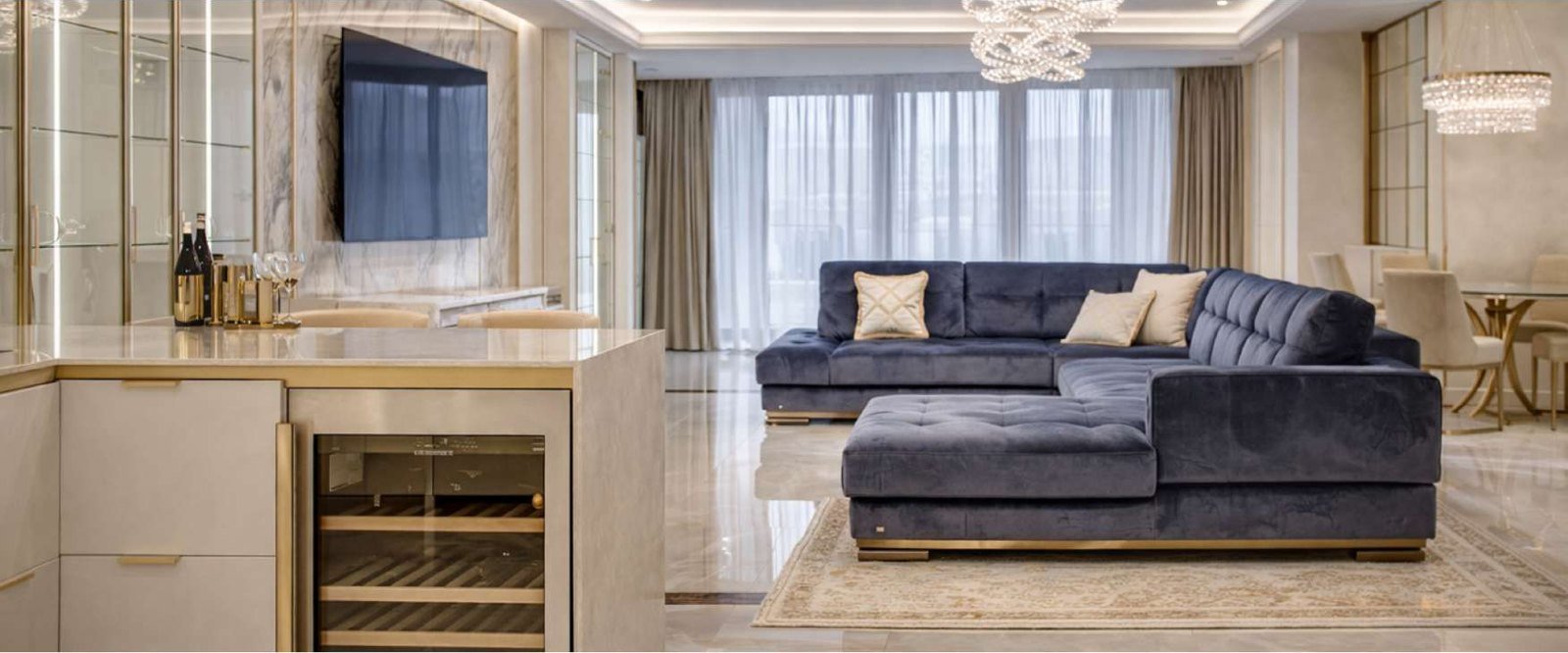
Pharmacy fit-out in Dubai: DHA licensing and what the unit needs
What DHA requires from a pharmacy fit-out in Dubai: minimum area, ceiling height, cold chain design, controlled drug cabinets and the final inspection loop.
7 October 2026 · 13 min read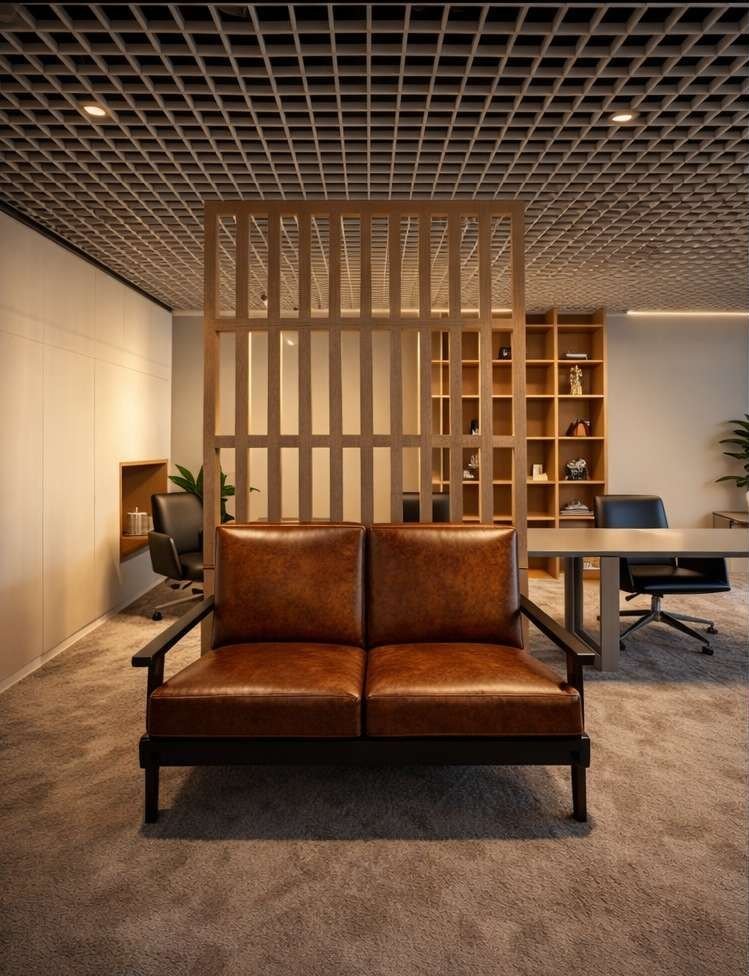
Office renovation in Dubai: rebuilding around a working team
How an office renovation in Dubai runs while staff keep working: zoning, night windows, dust control, partial MEP and the reinstatement clause.
5 October 2026 · 10 min readOffice fit-out timeline in Dubai: stages and hidden delays
The real Dubai office fit-out timeline, stage by stage: survey, approvals, procurement, construction and handover, plus where projects lose real weeks.
4 October 2026 · 12 min read